
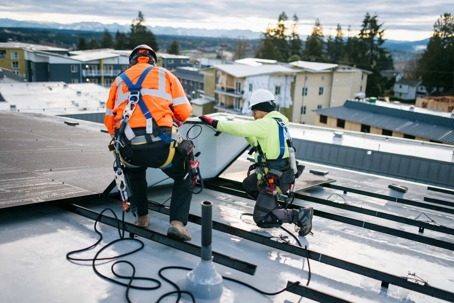
Switching to solar power is a big step toward making your business more sustainable and lowering those monthly power bills. However, many property owners jump into solar panels without thinking about the foundation they sit on—the roof. A solar energy system is a long-term investment that can last 25 years or more, so your roof needs to be in tip-top shape before the first panel is ever bolted down. Preparing your commercial building for solar isn’t just about going green; it’s about protecting your asset and making sure you don’t have to pay for expensive removals and re-installations later on.
Understanding Why the Roof Comes First
Before you start looking at solar panels, you have to look at what’s underneath them. If you install a brand-new solar system on a roof that only has five years of life left, you are setting yourself up for a headache down the road. When the roof eventually needs work, you will have to pay a crew to take the panels off and then put them back on after the repairs are done. This extra labor can cost thousands of dollars, which eats away at the money the solar panels were supposed to save you.
It is much better to ensure your roof is “solar-ready” from the start. This means checking the age of the materials and the structural strength. A healthy roof provides a stable base that can handle the extra weight and the increased foot traffic from technicians during the installation. By coordinating your roofing needs with your energy goals, you create a seamless system that works together for decades.
Checking the Structural Health of Your Building
Solar panels and the racks that hold them add a significant amount of weight to a building. While most commercial roofs are built to be sturdy, they aren’t always designed for the extra “dead load” of a full solar array. You want to make sure your building can support this weight without sagging or stressing the support beams. This is especially important for older buildings in Savannah that might have settled over time.
Structural preparation involves more than just checking the beams; it includes looking at the surface itself. Here are a few things a professional will look for during a structural assessment:
- The current weight-bearing capacity of the roof deck and supporting trusses.
- The condition of the attachment points where the solar racking will be secured.
- Any signs of existing rot or weakened decking that could fail under pressure.
- Potential drainage issues that might be worsened by the placement of solar equipment.
Selecting the Right Materials for Solar Integration
Not all roof types are created equal when it comes to hosting solar panels. For many commercial properties, a “cool roof” or a light-colored membrane is a great choice because it reflects sunlight. This helps keep the building cooler and can actually make the solar panels more efficient by reducing the ambient heat around them. If you are currently using older materials, a transition to a more modern system might be the best move before going solar.
Modern commercial roofing systems are designed to be durable and flexible. When you are planning for solar, you want a material that can withstand the heat generated by the panels and the occasional maintenance walk-throughs. If your current roof is nearing the end of its cycle, replacing it with a solar-compatible material is a smart way to maximize your return on investment.
Consider these common commercial materials and how they work with solar:
- TPO and PVC membranes are popular because they are reflective and easy to seal around solar mounts.
- Metal roofing is often considered the best for solar because panels can often be clamped onto the seams without drilling holes.
- Built-up roofs can support solar, but they must be inspected for gravel loss or cracks that might lead to leaks.
Planning for Maintenance and Access
Once the panels are up, you still need to be able to take care of your roof. A common mistake is covering the entire surface with panels and leaving no room for a technician to walk or reach the drains. Good solar-ready planning includes creating a layout that allows for easy inspections and routine cleaning. If a leak happens to develop under a panel, you want enough space to identify and fix it without a major demolition project.
Proper spacing also helps with airflow. Solar panels perform better when they stay cool, and leaving gaps allows air to circulate underneath them. This keeps the panels from overheating and prevents heat from being trapped against your roofing material, which could cause it to age faster than it should.
Think about these access needs during the planning phase:
- Designated walking paths for maintenance crews to reach HVAC units and drains.
- Clearance around the perimeter of the roof to meet local fire codes and safety regulations.
- Specific spacing between rows of panels to allow for easy cleaning and debris removal.
- Strategic placement of conduit and wiring to keep the roof surface clear of tripping hazards.
The Importance of a Professional Assessment
You wouldn’t build a house on a shaky foundation, and you shouldn’t put solar on a questionable roof. Getting a professional to look at your property is the only way to get a clear picture of what you need. A pro can tell you exactly how many years of life your roof has left and whether it can handle the physical demands of a solar upgrade. They can provide a straightforward look at any repairs that need to happen now to prevent disasters later.
Working with a team that understands both roofing and solar integration is a huge advantage. They can help you coordinate the timing so that your roof and your solar panels are “on the same clock.” This means they will both be in their prime at the same time, giving you the best possible performance and the least amount of stress.
How Coastal Roofworks Supports Your Solar Goals
At Coastal Roofworks, we believe in doing things right the first time so they stand firm for the long haul. We understand that commercial property owners in Savannah need honest advice when it comes to big investments like solar. Our team provides detailed assessments to help you determine if your building is ready for the transition. We specialize in several areas that make us the perfect partner for your green energy journey:
- Expert commercial roofing inspections to evaluate the remaining lifespan of your current system.
- Professional solar repair and maintenance to keep your energy production at its peak.
- High-quality commercial roofing installations designed to work hand-in-hand with solar arrays.
- Strategic planning to ensure your roof remains accessible and functional after solar panels are installed.
Whether you need a simple check-up or a full replacement to get solar-ready, we provide the peace of mind that comes with nearly two decades of local experience.
If you’re planning a solar project, don’t leave your roof to chance. Contact the experts at Coastal Roofworks today at (912) 612-2242 or reach out through our online contact form to schedule your professional assessment.